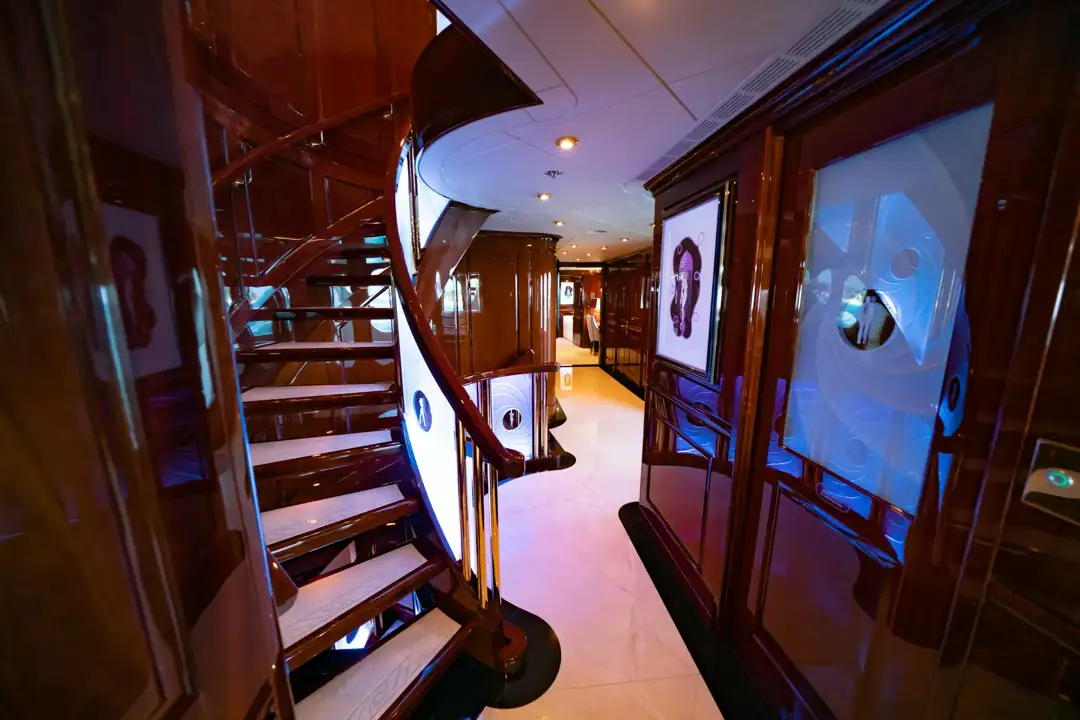
Millwork
Reception desks, casework and trim.
Reception desks, built-ins, casework, trim and fixed furniture refinished on site — no new carpentry, no shop time, no replacement lead time.
What it is
Millwork & Casework Refinishing
Custom millwork is expensive to build and expensive to replace, which is why so much of it stays in place long after the finish has dated. Film is applied over the existing joinery, so the piece a cabinetmaker built stays exactly as designed and only its surface changes.
Send a photo and rough dimensions if you have them — we'll tell you what's possible.
Or text (561) 223-1826
Text us a photo of the millwork
Send a photo and rough dimensions if you have them — we'll tell you what's possible.

Scan to text us from your phone
What we resurface
- Reception and service desks
- Built-in shelving and display casework
- Institutional and laboratory casework
- Trim, reveals and applied mouldings
- Fixed banquettes and furniture faces
- Conference tables and credenzas
Why it works here
Nothing goes to a shop
Fixed millwork is refinished where it stands. No dismantling, no transport, no gap in the space where the desk used to be.
Curves and reveals
Film follows radiused fronts, shaped edges and reveal details that would otherwise have to be re-fabricated to change finish.
Matches new work
When part of a space is being rebuilt and part is staying, the same film can bring the old millwork to the new specification.
Our work
University lab casework
Fixed laboratory casework at Florida Atlantic University, refinished in place. The casework and the restroom partitions together ran about five days with the building open.
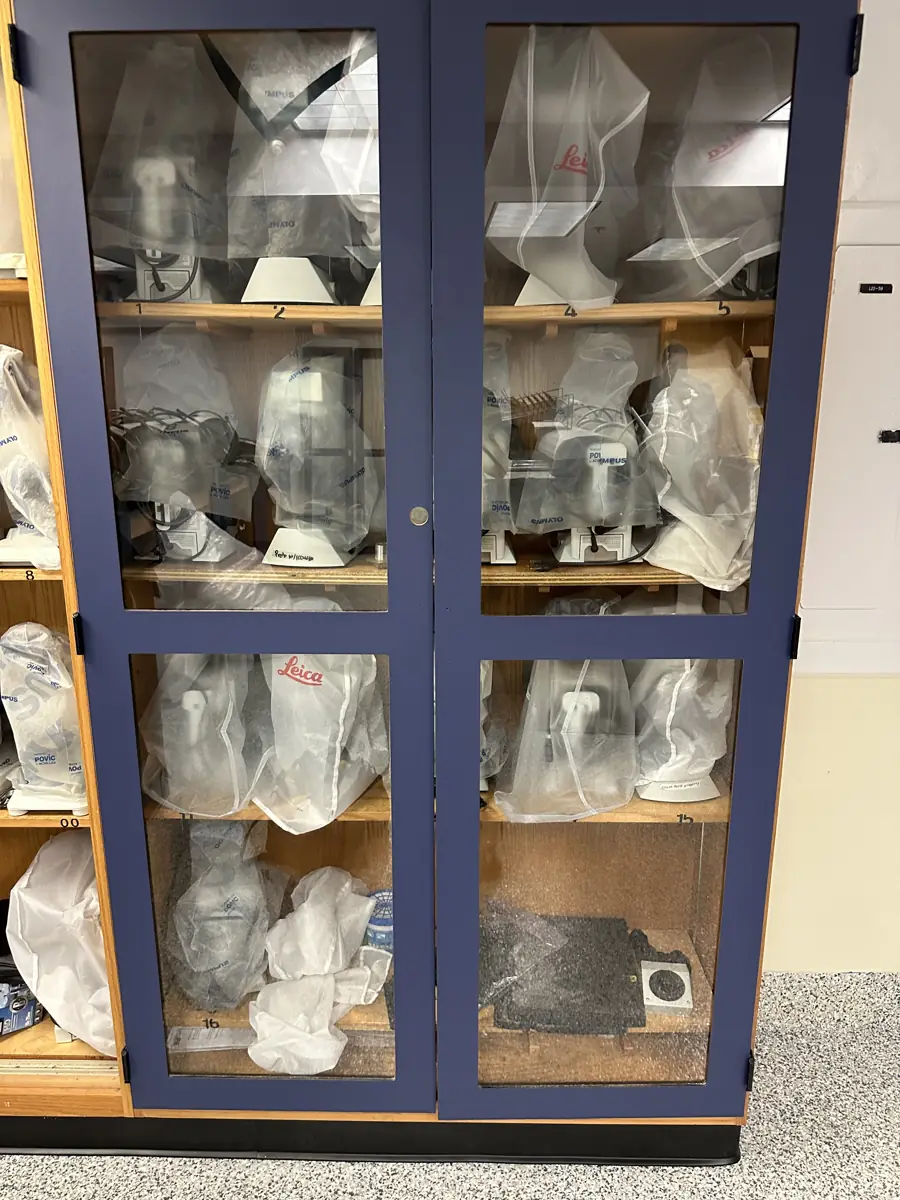
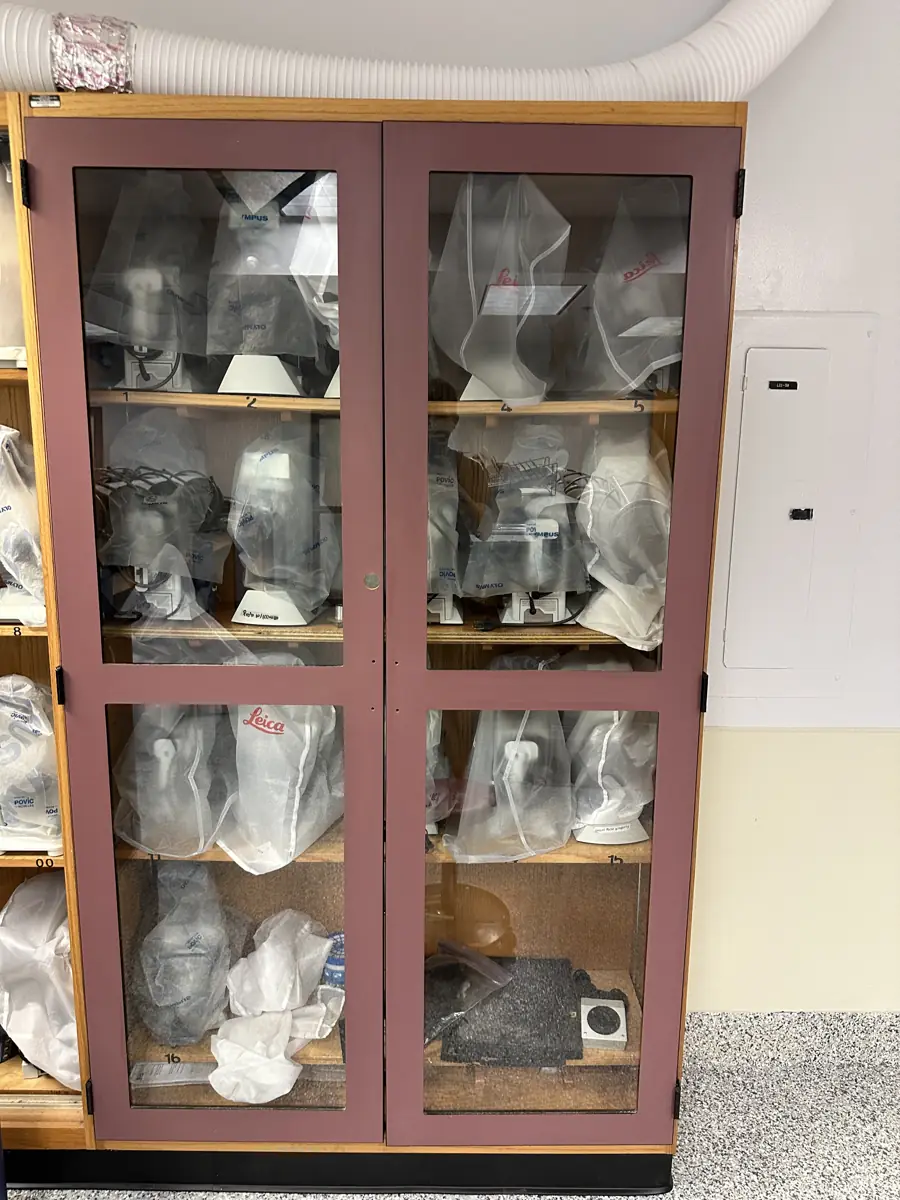
A real Vantage Surface installation. See more of our work →
Finishes
Over 460 finishes to choose from.
Woodgrains, stone and marble, metals, solids, textiles and specialty films — see any of them on a photo of your own space, or have physical samples mailed to you.
Resurface vs. Replace
Keep the structure. Change the finish.
Replacement removes what's already there and rebuilds it. Resurfacing works with the surface you have. Where the existing substrate is sound, that difference in scope is what keeps a space open while it changes.
Architectural Resurfacing
- Installed over the surface you already have
- Little to no demolition dust or debris
- Nights, weekends, or phased around your hours
- Built for occupied buildings
- No tear-out, disposal, or new substrate
Traditional Replacement
- Existing surface removed and rebuilt
- Dumpsters, dust, and debris
- Typically continuous daytime work
- Usually needs the space closed or emptied
- Demolition, disposal, and material lead times
Describes typical differences in scope, not guaranteed outcomes. Suitability depends on the condition of the existing surface — every project is assessed and quoted individually.
FAQ
Questions, answered.
Can you match our new millwork to the old?
That's a common reason to call. Send photos of both and we'll work out whether one film brings them together or whether the new work should be specified to match the film.
What about worn edges and damage?
Chips, dents and delaminated edges are repaired as prep. Film follows the surface underneath it, so prep is what decides the result.
Does it work on veneer?
Yes, on sound sealed veneer. Lifting or heavily damaged veneer is repaired or removed first.
Also